Mold Inspection and Testing
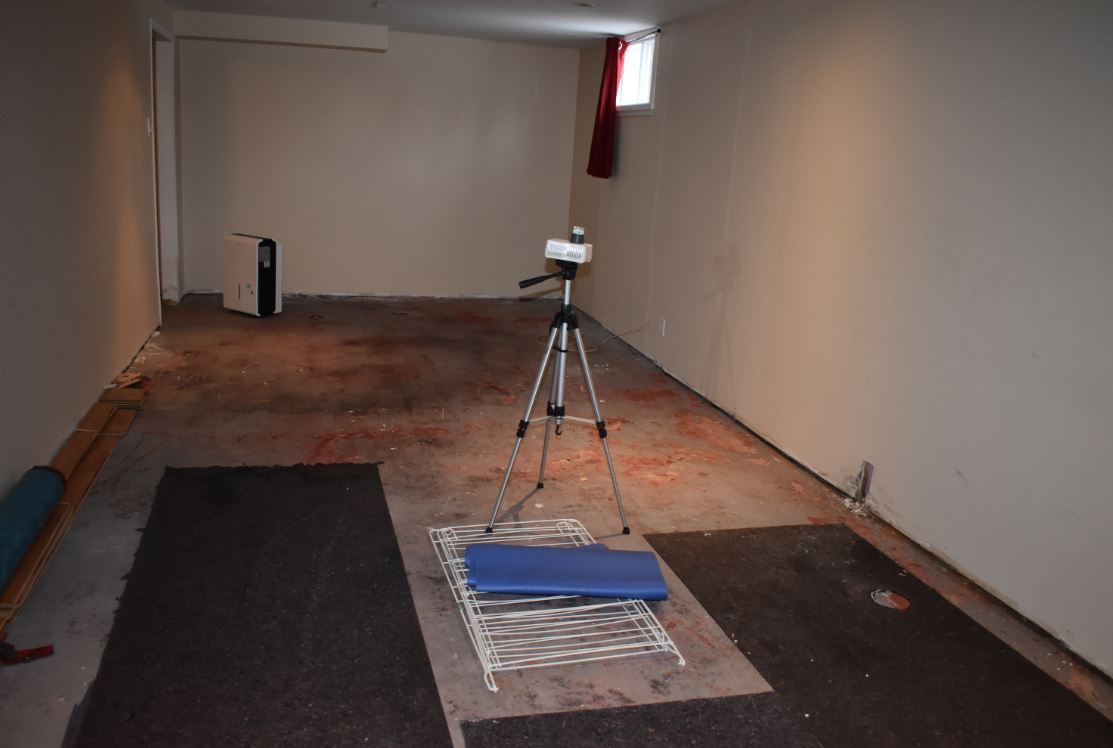
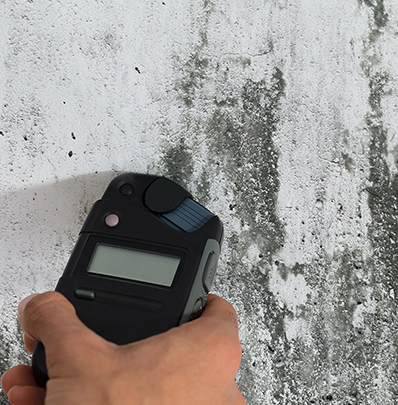
An air test shows which fungal spores are in the air and in what quantities, and how indoor levels compare with outdoors. But those results need to be interpreted in light of what we find on site and the condition of the building. That’s why our mold inspections go further: we track down the source of moisture, measure moisture levels in building materials, use infrared thermography when needed and take air and surface samples for lab analysis.
We inspect residential, multi-unit, commercial and industrial buildings, mainly in Greater Montreal, Laval, the West Island, the North Shore and the South Shore.
Signs of a mold problem
- A musty smell, especially in the basement
- Stains on walls, ceilings or around windows
- Water damage, a leak or a sewer backup, even one that happened a while ago
- Blistering paint or swollen drywall
Allergy symptoms or irritation that ease up when you leave the building can also be a clue. Our article on the early signs of mold in your home explains what to look for. If you’d rather get an overall picture of your indoor air, see our indoor air quality testing page.
How we inspect
Mold almost always comes down to a water problem, so every inspection starts by finding the moisture source: a leak, condensation or poor ventilation. We measure moisture levels in building materials and, where useful, use infrared thermography to find damp areas behind walls and ceilings without opening anything up.
Based on what we find, we then take air and surface samples, which are sent to specialized, accredited labs for microbiological analysis using the appropriate methods. Lab results usually come back within 24 to 48 hours, and you’ll typically have our inspection report within 3 to 5 business days.
Depending on the job, our assessments follow the applicable standards and best practices, including BNQ 3009-600 and IICRC S520.
What we offer
- Mold contamination inspections and assessments
- Inspections after water damage, or when mold is visible or suspected
- Identifying moisture sources, water infiltration and conditions that promote mold growth
- Mold remediation protocols
- Post-remediation verification to confirm the work was successful
- Written reports with our findings, lab results and recommended corrective work
We prepare remediation protocols for municipalities, property owners and property managers, and as part of an expert technical assessment. Once the work is done, we check that it actually solved the problem.
Independent assessments
Our inspections, assessments and technical recommendations are independent: we never do remediation work ourselves. A company that both inspects and remediates can have a stake in finding a problem. We’re only there to give you an honest picture of the situation.
Pricing
Mold inspections start at $775 plus tax. That includes a visual inspection, moisture readings, lab analysis of three air samples (two indoors, one outdoors) and infrared thermography when relevant.
The price can vary with the size of the building, the number of samples, how complex the inspection is and what the job involves. In-depth assessments, remediation protocols and post-remediation verifications are quoted case by case.
Frequently asked questions
How much does a mold inspection cost?
Inspections start at $775 plus tax, including lab analysis of three air samples. More complex jobs are quoted individually.
Isn’t an air test enough?
Air sampling helps assess fungal spore concentrations and compare indoor conditions with outdoor levels. However, identifying the source of contamination also requires a building inspection and moisture assessment.
How long do results take?
Lab results are generally back within 24 to 48 hours, and the inspection report, with our interpretation and recommendations, usually follows within 3 to 5 business days.
Do you prepare remediation protocols?
Yes. We write the protocol, then confirm the work was effective once it’s finished. Because we don’t do remediation ourselves, our recommendations stay independent.
Is black mold more dangerous?
Colour alone won’t tell you what kind of mold it is; that takes lab analysis. Assessing how far the contamination has spread and how much of a risk it poses also depends on what we find on site.
Think you might have mold?
Tell us what you’re seeing through our contact form, by phone at 514-612-0377 or by email at info@qualitam.ca, and we’ll recommend the right service for your situation.
Get more information